Can Cats Catch a Cold From Humans? What Vets Want You to Know
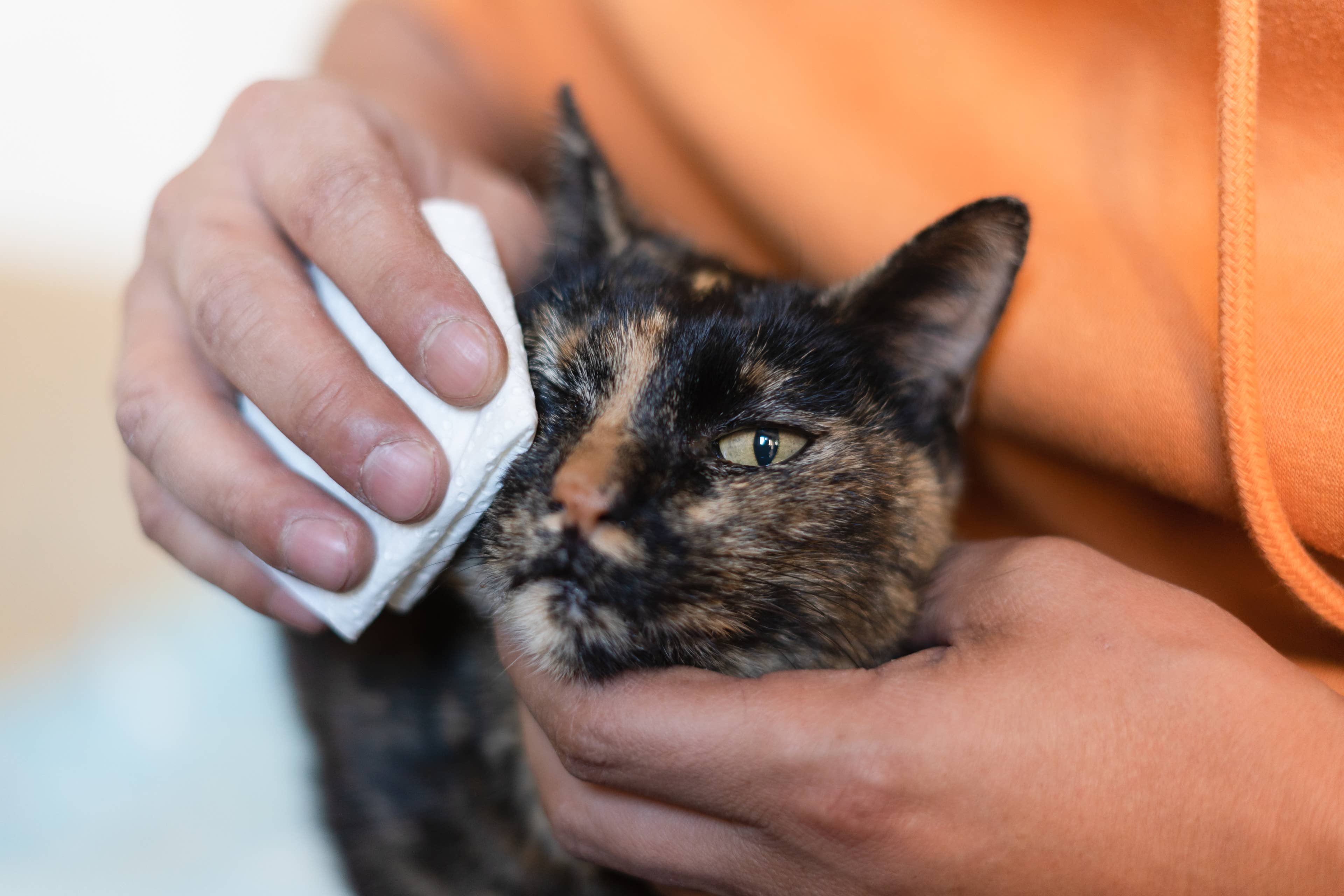
With the colder seasons here, it also means that flu and cold season has arrived. Unfortunately for us, this time of year tends to wreak havoc as the cold, dry air weakens our immune systems and allows viruses to survive and spread faster. As more people spend time indoors, it’s easy to see how a cold can travel from household to household in no time. And if you have cats in your home, it’s normal to wonder whether your cat can also get sick from the common cold.
For pet parents who love to cuddle up with their feline friends (especially when they’re sick), this time of year can also bring uncertainty about whether you should remain so close while fighting a cold yourself. While there are various ways your cat may get sick, the most important part is trying to prevent it from happening in the first place. Making sure your cat is routinely getting their immunizations and seeing their vet can also help ensure you’re doing everything you can to keep them as safe and healthy as possible.
🐶SIGN UP to get “pawsitivity” delivered right to your inbox with inspiring & entertaining stories about our furry & feathered friends🐾🐾
When it comes to the human cold, we spoke with cat experts to learn the truth behind whether or not you can pass a cold to your cat, the common reasons behind your cat’s sneezing and how to treat your feline friend when they’re feeling sick. With these tips, you can focus on getting better yourself while making sure your cat stays safe and healthy all season long.
Can You Pass a Human Cold to Your Cat?
Kawee Srital-on / Getty Images
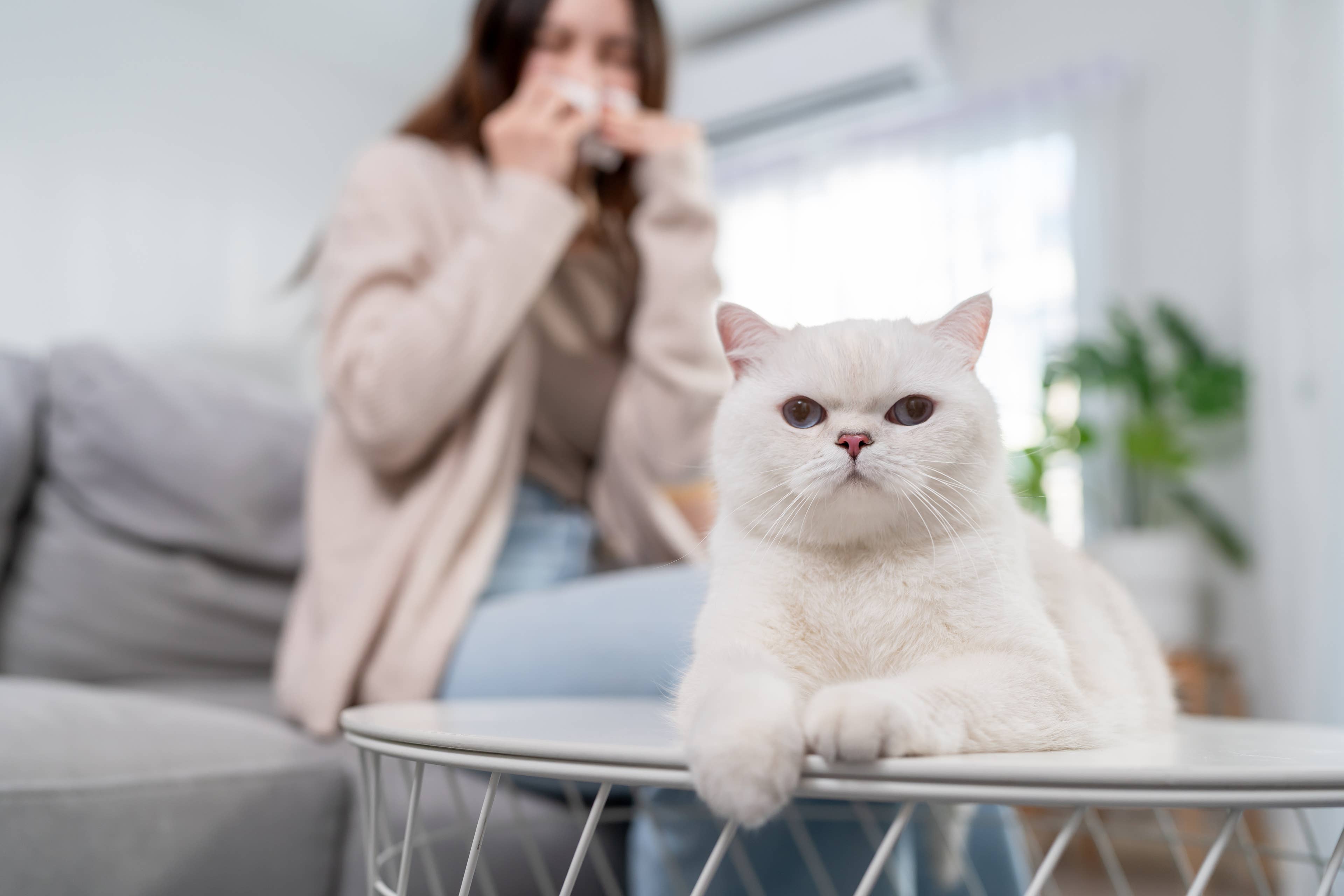
No, you can’t pass a human cold to your cat if you’re sick. The human cold is caused by the rhinovirus, and Dr. Julie Hunt, a veterinarian at Embrace Pet Insurance, says that rhinoviruses are species-specific and cannot affect your cat. However, Dr. Hunt also warns that there are a few uncommon respiratory diseases that may be passed from humans to cats, including the COVID-19 virus, avian influenza and tuberculosis.
If you’re sick with any of these respiratory infections, it’s important to avoid close contact with your cat while you’re sick. Dr. Melinda Fleming, DVM, a veterinarian with TelaVets.com, says cats can get infected with their own type of respiratory infections that can look very similar.
Common Causes of Cat Sneezing and URIs
Ruslana Chub / Getty Images
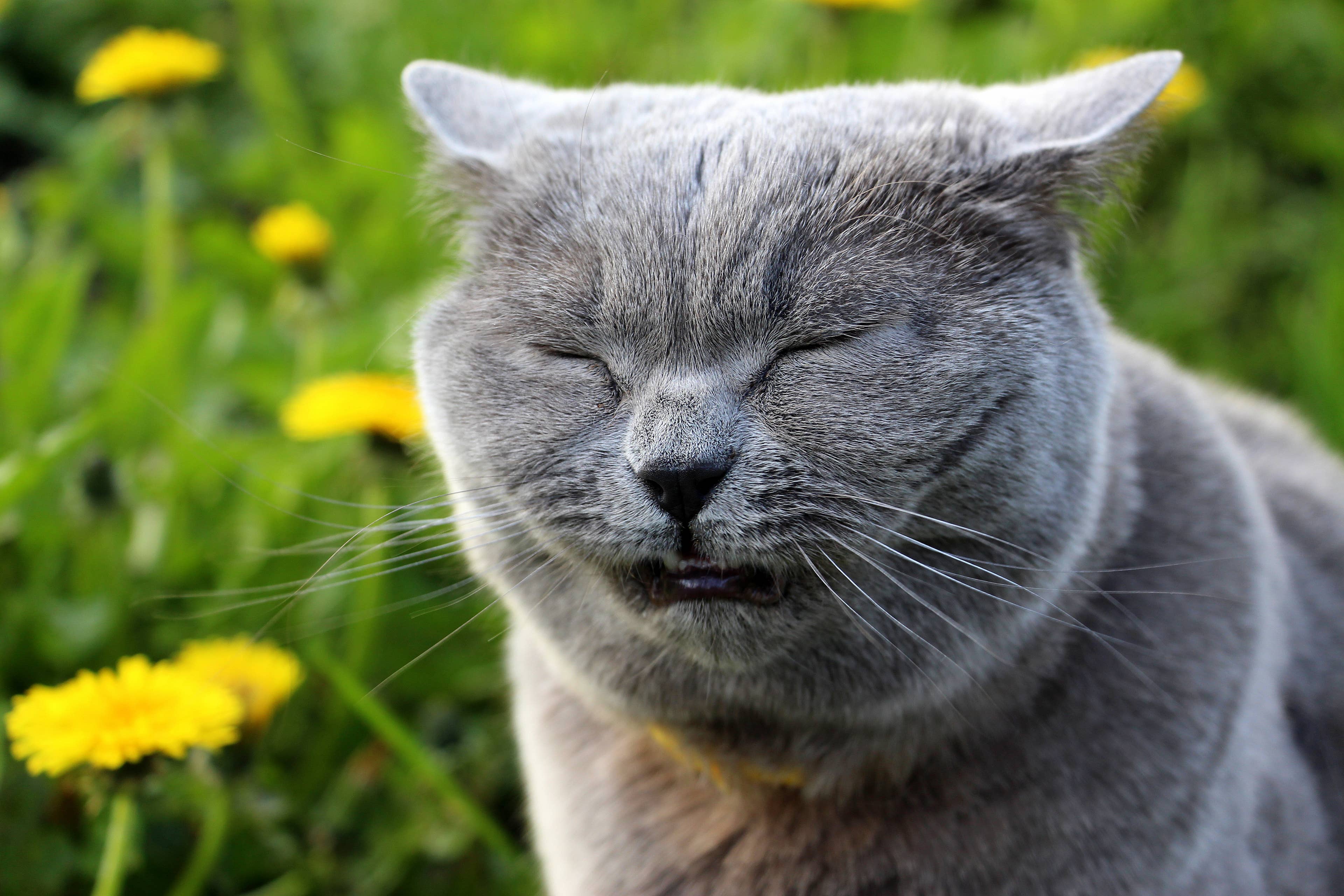
While your cat might not be coming down with a case of the human cold, there are other reasons behind their sneezing and upper respiratory infections (URIs). Dr. Fleming says feline herpesvirus and calicivirus are two of the most common causes behind a cat’s illness. They spread easily between cats, and they’re especially prevalent in shelters and homes with multiple cats.
Herpesvirus can stay in a cat’s body for life, and symptoms may return during periods of high stress. Respiratory infections may also be caused by bacteria.
Dr. Hunt adds that it’s common to find cats infected with one viral pathogen who then become secondarily infected with a bacterial pathogen as well. Since these pathogens infect the respiratory tract, they may cause your cat to cough and experience nasal discharge similar to what you may have with a cold.
Related: Can Cats Eat Pumpkin? What Veterinarians Want You to Know
How to Treat a Cat With a Cold at Home
picture alliance / Getty Images
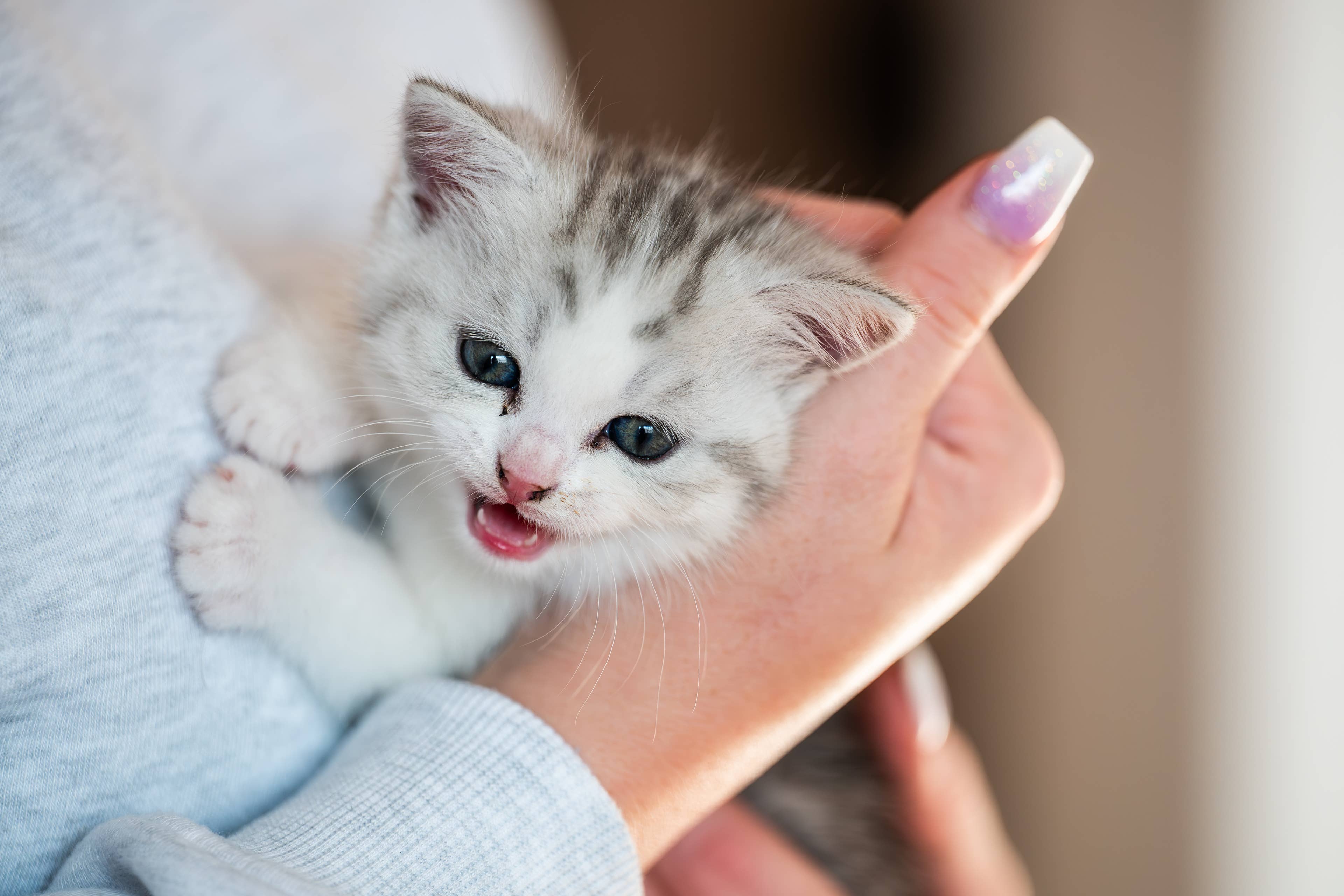
If your cat is coming down with a case of the sniffles, it’s important to stay on top of their care. To treat a cat with a cold, Dr. Fleming recommends gently wiping discharge from the nose and eyes with a warm, damp cloth. If your cat loses interest in eating, you can offer slightly warmed canned cat food to help pique their interest. Just like with humans, running a humidifier or sitting with them in a comfortably steamy bathroom for a few minutes can also help loosen their congestion.
Those with multiple cats in the house will want to separate them to keep everyone safe and healthy. Provide your cat with a quiet space and fresh water to help them rest. While it might be tempting, avoid giving your cat any medication without your vet’s approval. If you find that your cat isn’t getting better or hasn’t eaten in 24 hours, it’s important to seek veterinary attention. Kittens may need to be examined much sooner, so keep an eye on young cats and their symptoms.
Although the start of cold and flu season can be stressful for humans, it doesn’t mean it has to hit your cats as hard. While they may not catch the human cold, cats can come down with their own illnesses that can make them just as uncomfortable. While having a cold doesn’t mean an urgent ailment, it’s still important to keep an eye on any pet that isn’t feeling well and offer TLC, just like you would want.
Sources:
Dr. Julie Hunt is a veterinarian at Embrace Pet Insurance.
Dr. Melinda Fleming, DVM, is a veterinarian with TelaVets.com.
Related: Why Your Cat Is Suddenly Sleeping Twice As Much (And When to Worry)
This story was originally published by Parade Pets on Oct 24, 2026, where it first appeared in the Cats section. Add Parade Pets as a Preferred Source by clicking here.
Source: Nature



0 Comments